
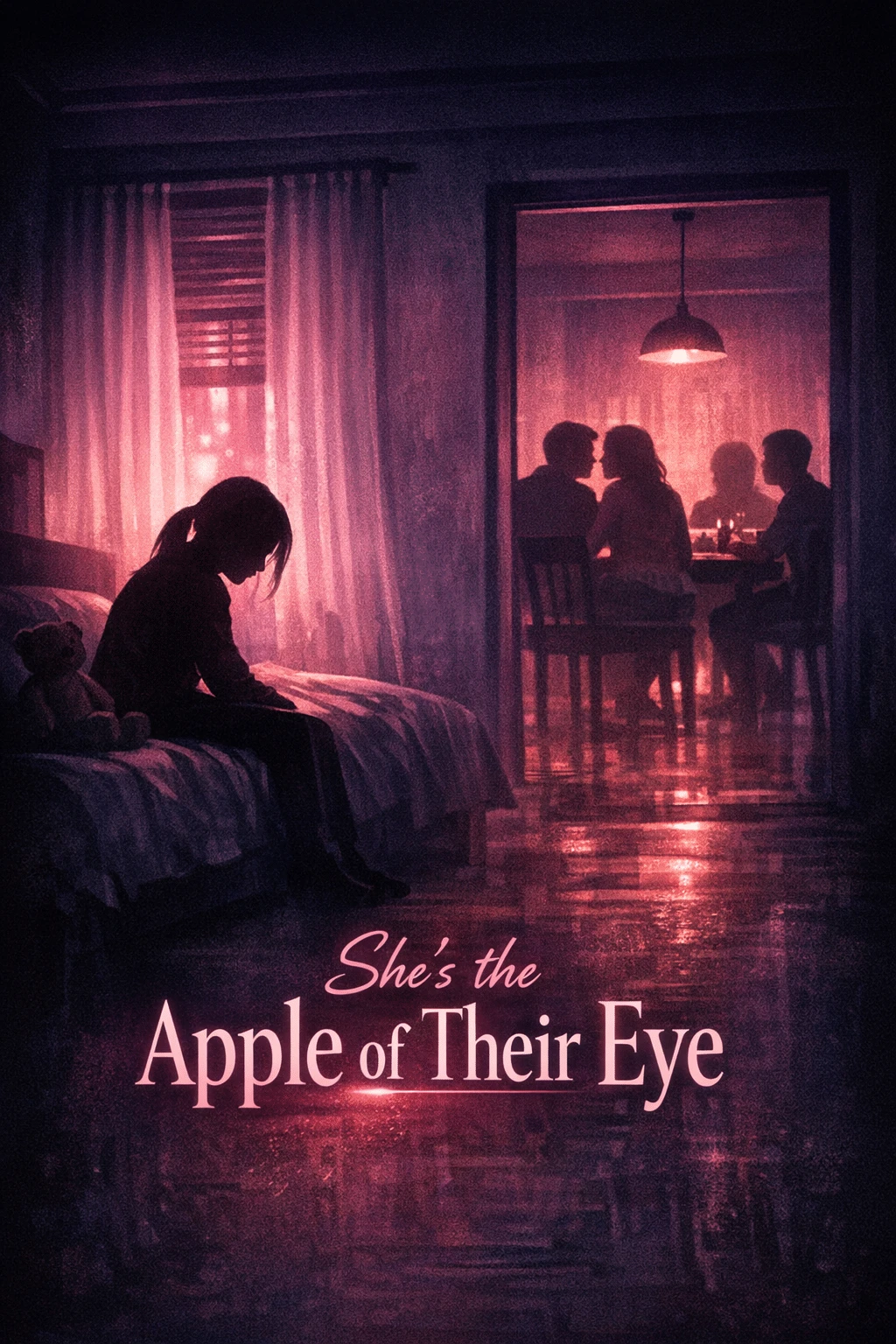
Hello, everyone! How are you doing? Today, I want to discuss a series that prompted me to think deeply about family relationships and how affection can sometimes be imbalanced within a household – “She’s the Apple of Their Eye” on DramaBox. And wow, what an eye-opening title! From the very beginning, it’s clear that it centers around a beloved family member, but as is often the case, the truth is much more intricate. Prepare yourself for a narrative that will challenge your views on family favoritism!
Advertisements
### The Significance of Being ‘The Apple of Their Eye’
The phrase “She’s the Apple of Their Eye” already conveys a lot about the series’ core theme. This idiom signifies being deeply treasured and esteemed by someone – to be the most valued individual in the eyes of others. However, there’s a twist: when one person is the family’s absolute favorite, what implications does that hold for the other members?
The series delves into this intricate family dynamic where one individual garners all the affection, attention, and care, while others might feel sidelined. It’s a scenario many families face, yet it’s seldom discussed openly.
### The Imbalance in Family Dynamics
One of the most fascinating aspects of “She’s the Apple of Their Eye” is its depiction of the repercussions of family favoritism. When a single individual is elevated by the family, an unspoken hierarchy emerges, affecting all relationships within the household.
The series doesn’t romanticize this reality – it presents both the perks and the challenges of being the “favorite.” On one hand, there’s an abundance of love, attention, and resources directed toward this person. Conversely, there’s the pressure to fulfill expectations and the guilt that comes from knowing others are being overlooked.
### The Impact on the ‘Other’ Children
One of the most poignant elements of the series is its exploration of how this dynamic influences the other family members. Growing up overshadowed by a sibling who is evidently the favorite can inflict lasting damage on self-esteem and self-worth.
The series illustrates how these “other” children devise various coping mechanisms – some turn rebellious in their quest for attention, others strive to be exceptionally responsible in an effort to “earn” love, while some merely resign themselves and emotionally detach.
### The Burden of Excessive Love
However, the series also thoughtfully portrays that being the family’s “darling” isn’t always a blessing. The protagonist, who is distinctly the favorite, bears the weight of constantly needing to be flawless, of never disappointing, and of being responsible for the happiness of those around her.
Witnessing her struggle with the pressures of perpetually being the “perfect daughter” and the guilt stemming from her favoritism affecting other family members adds complexity to her character.
### Parental Influence and Unconscious Biases
The series also scrutinizes the role parents play in this dynamic. Frequently, favoritism isn’t intentional – it can arise from various factors: a child born under unique circumstances, one who faced health challenges, a child who exhibited exceptional skills, or simply a stronger emotional bond.
The parents in the series are depicted as well-meaning individuals who genuinely love all their children, yet have inadvertently fostered this family hierarchy. Observing their gradual realization of the consequences of their actions is both touching and exasperating.
### Moments of Acknowledgment
One of the most compelling aspects of the series is when the family finally recognizes this unequal dynamic. When the characters begin to articulate feelings that have been suppressed for years, the scenes are emotionally charged and genuinely cathartic.
These moments of familial truth are crafted with great sensitivity, highlighting the difficulty of confronting entrenched family patterns, but also the liberation that occurs when it finally takes place.
### The Path Toward Equilibrium
The series does not provide fairy-tale solutions to these intricate family dynamics. Instead, it portrays a gradual journey of acknowledgment, dialogue, and attempts at change. Some initiatives succeed, while others do not, mirroring the reality of striving to alter deeply entrenched family habits.
Watching the family attempt to distribute attention and affection more evenly is heartwarming, but the series candidly addresses how challenging this endeavor can be.
### Sibling Bonds
A well-explored facet of the series is the relationships among siblings. The emotional complexity – love intertwined with resentment, protection mingled with jealousy, admiration blended with envy – is depicted with remarkable realism.
The series illustrates how siblings can harbor profound love for each other while grappling with feelings of inequity and neglect. It’s this emotional intricacy that renders the characters so relatable and human.
### Universal Themes
“She’s the Apple of Their Eye” addresses themes that resonate with many:
Family Favoritism: How certain children become favorites and the impact on family dynamics.
Self-Worth and Self-Esteem: How our family position can shape our self-perception.
Communication Within Families: The significance of discussing feelings and family dynamics openly.
Conditional vs. Unconditional Love: The distinction between being loved for who you are and for what you represent.
### Acting and Character Growth
The ensemble cast effectively conveys the emotional subtleties of these intricate family ties. Each character has their own motivations, struggles, and paths of growth, enriching the narrative.
The protagonist, in particular, effectively conveys both the gratitude and the burdens of being so cherished, while the other family members authentically express their internal conflicts.
### The Importance of This Series
“She’s the Apple of Their Eye” holds significance because it confronts a subject many families experience yet seldom discuss. Family favoritism is more prevalent than we care to acknowledge, and its repercussions can endure for generations.
The series provides a safe space to reflect on these dynamics and perhaps identify patterns within our own families. It’s a narrative that can spark essential family dialogues.
### Who Will Appreciate This Series
If you grew up feeling like you weren’t the family’s favorite, this series will resonate powerfully. If you were the favorite and carry guilt about it, you will relate as well. For anyone intrigued by intricate family dynamics and family psychology, it’s a superb option.
It’s ideal for those who value dramas that don’t offer easy answers but instead delve into the complexities of human relationships with honesty and sensitivity.
### The Final Takeaway
The series doesn’t imply that having favorites is inherently wrong or that all families should treat every child identically. Rather, it emphasizes the necessity of recognizing these dynamics and engaging in open communication about them.
The message is that family love can manifest in various forms, but everyone deserves to feel valued and cherished for who they are, not merely for their standing within the family hierarchy.
### The Concluding Assessment
“She’s the Apple of Their Eye” offers a poignant and realistic examination of family dynamics that many will recognize but seldom discuss openly. It’s a series that provides validation for those who feel overlooked and perspective for those who have been favored.
It transcends entertainment – it’s a chance for reflection on our own families and how love can be expressed and perceived differently by each family member.