
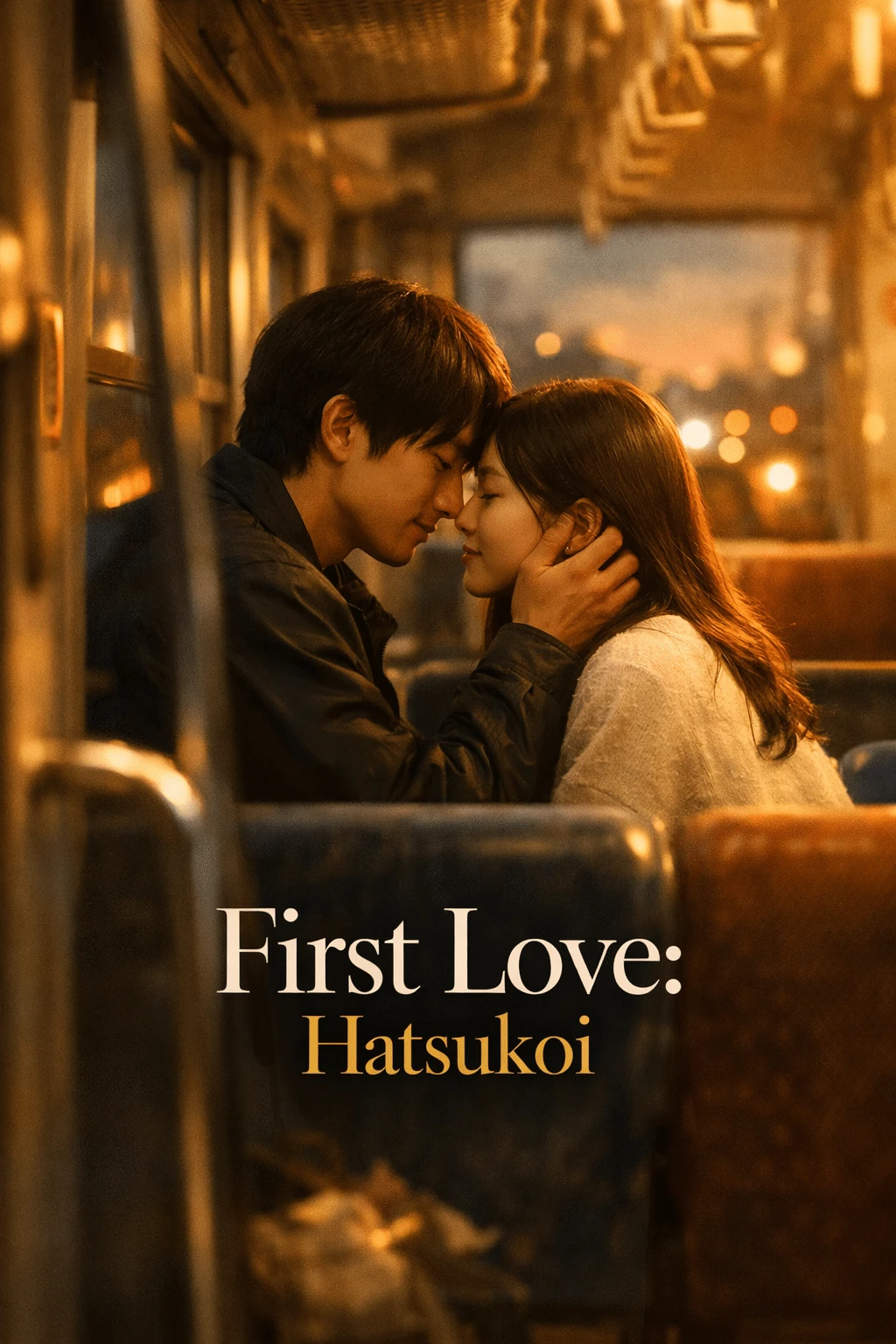
Hello, everyone! How are you all? Today, I’m excited to share my thoughts on the drama Nostalgic Love: Hatsukoi, which has touched audiences globally with its deeply moving narrative, nostalgic ambiance, and the exquisite melancholy that only Japanese dramas can evoke so beautifully.
Advertisements
Nostalgic Love: Hatsukoi debuted on Netflix on November 24, 2022, consisting of 9 episodes, each lasting around 50 to 60 minutes. The series features Hikari Mitsushima and Takeru Satoh in main roles, delivering remarkable depth to this romantic melodrama. Drawing inspiration from two legendary Hikaru Utada tracks, “First Love” and “Hatsukoi,” this series offers a unique viewing experience that feels like a living, breathing piece of music brought to life on screen.
This romantic narrative artfully delves into themes of lost love, second chances, and the bittersweet essence of memory. Spanning from the late 1990s to modern times, the story follows two individuals who cherished an unforgettable first love as teenagers and reconnect decades later as adults, whose lives have not unfolded as they once envisioned.
With its breathtaking cinematography, emotionally rich performances, and a narrative that skillfully transitions between the past and present, Nostalgic Love: Hatsukoi provides viewers with an intimate reflection on love, loss, and the paths not taken.
Back in the Late 90s
In the late 90s, Yae Noguchi and Harumichi Namiki fell in love as teenagers in Hokkaido. After finishing high school, Yae moved to Tokyo for college while Harumichi enlisted in the Japan Air Self-Defense Force as a pilot. Their lives diverged, causing them to lose contact for over twenty years.
The series elegantly alternates between their youthful romance and their current lives, illustrating how their first love influenced their adult identities. As they reunite in their 40s, both burdened by unfulfilled aspirations and life’s disappointments, they must confront whether their first love can withstand the reality of their current selves.
Yae Noguchi: Dreams Unmet
Hikari Mitsushima delivers an exceptional portrayal of Yae Noguchi, a woman whose aspirations of becoming a flight attendant were derailed by a tragic event. Mitsushima adds remarkable nuance to the character, showcasing how Yae holds onto both her youthful enthusiasm and the quiet acceptance that comes with middle age.
Her performance encapsulates the intricacies of a woman who has learned to cope with disappointment while still nurturing hope for more. The way Mitsushima transitions between the spirited teenager Yae once was and the more subdued woman she has become is nothing short of remarkable, crafting a character that feels genuinely authentic and relatable.
Harumichi Namiki: A Pilot on the Ground
Takeru Satoh infuses depth and sensitivity into Harumichi Namiki, a former pilot of the Japan Air Self-Defense Force who abandoned his career for reasons that gradually unfold throughout the series. Satoh’s portrayal embodies the quiet resilience of a man who has learned to accept compromise while still holding onto the memory of his first love.
The chemistry between Satoh and Mitsushima is palpable, creating romantic moments that feel both tender and poignant. Their reunion scenes crackle with the tension of two individuals who shared something beautiful and are trying to determine if it can exist again in their current lives.
The Soundtrack of Reminiscence
One of the series’ most significant strengths lies in how it employs Hikaru Utada’s songs not merely as background music but as emotional touchstones that link the past with the present. The series’ integration of these songs into the plot creates moments of pure emotional resonance that elevate the viewing experience.
The pivotal episodes use music to highlight the characters’ emotional journeys, crafting scenes that resemble visual poetry. The series demonstrates that when music and storytelling harmonize perfectly, the outcome can be genuinely transcendent.
A Triumph on Netflix
Nostalgic Love: Hatsukoi has emerged as a remarkable success for Netflix’s Asian content, garnering an impressive 8.4/10 rating on IMDb and widespread critical acclaim. The series has been lauded for its authentic storytelling, outstanding performances, and the way it encapsulates universal themes of love and loss that resonate across cultures. Many viewers have remarked how the series pays a beautiful tribute to classic Japanese melodramas while maintaining a thoroughly modern sensibility. The 9-episode structure provides perfect pacing, allowing the story to unfold naturally without feeling hurried or overextended, making it an ideal binge-watch for those who appreciate thoughtful, character-driven drama.
If you enjoy Japanese dramas, nostalgic romances, and stories that delve into the complexity of human emotions with remarkable depth, Nostalgic Love: Hatsukoi is the ideal series to binge on Netflix.
Nostalgic Love: Hatsukoi shows that some stories deserve to be told slowly and beautifully, crafting a viewing experience that lingers in your heart long after the final episode concludes.
Series Overview:
- Episodes: 9 episodes (1 season)
- Platform: Netflix
- Rating: 8.4/10 (IMDb)
- Genre: Romance, Drama, Melodrama
- Main Cast: Hikari Mitsushima (Yae Noguchi), Takeru Satoh (Harumichi Namiki)
- Antagonist: Time, circumstances, and life’s disappointments (no traditional antagonist)