
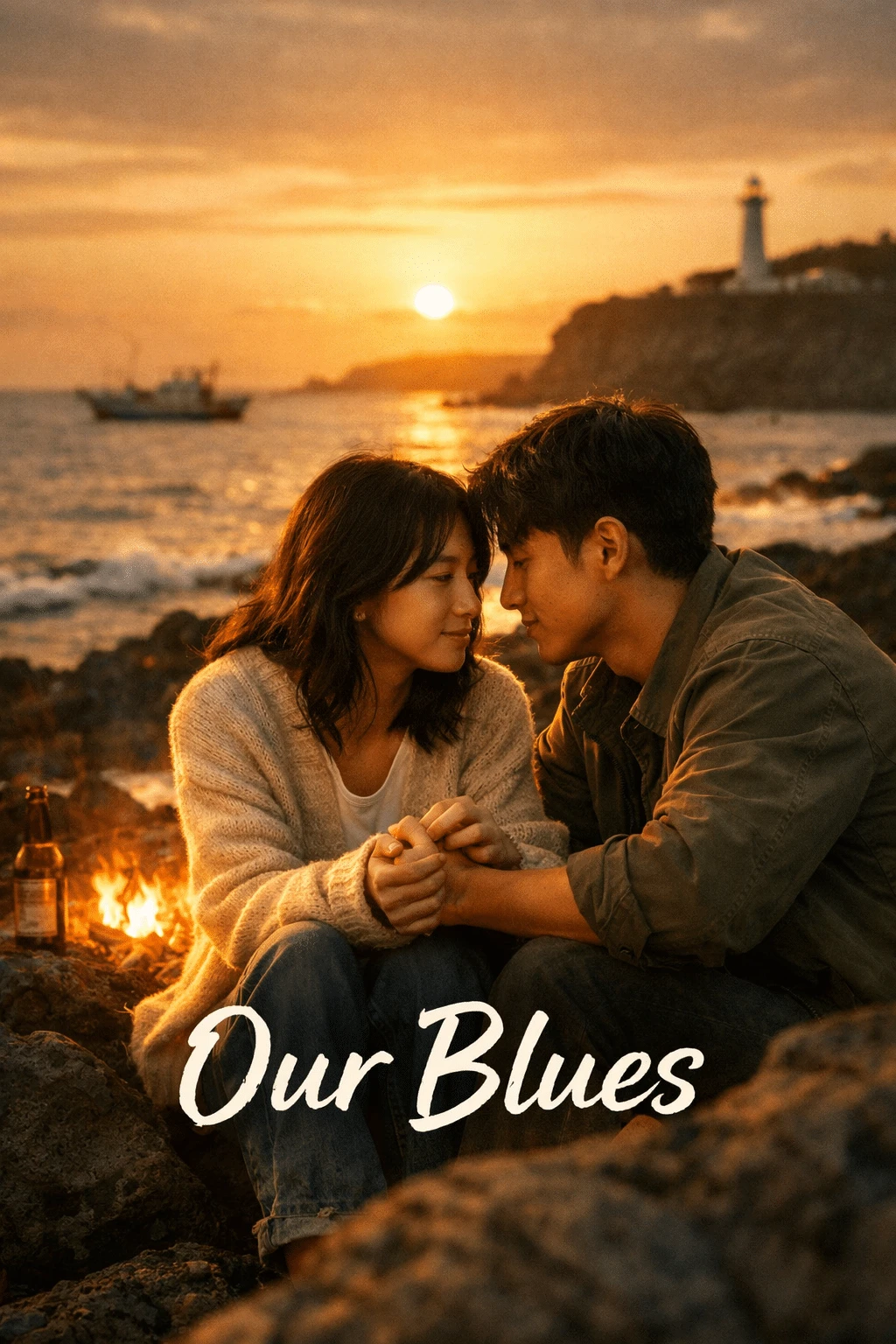
Hello, everyone! How’s everything? Today, I’m excited to share my thoughts on the series Our Blues, which has enchanted viewers globally with its heartfelt depiction of community life available on Netflix.
Advertisements
This ensemble drama debuted in April 2022, consisting of 20 episodes, each around 80 minutes long on Netflix. Set against the stunning backdrop of Jeju Island, the show intertwines various interconnected narratives that delve into the intricacies of human relationships, familial bonds, and personal development. Unlike conventional K-dramas that center on a single romantic plot, Our Blues adopts an anthology format, following different inhabitants of a small island community as they tackle life’s hurdles and victories.
The series is notable for its authentic representation of everyday individuals confronting extraordinary situations, crafting a tapestry of human experiences that resonates with audiences from diverse backgrounds. Each episode alternates focus among different characters while upholding the overarching themes of resilience, forgiveness, and the strength of communal support.
Interconnected Lives within a Single Community
The narrative unfolds through several connected tales revolving around the residents of Jeju Island. Central to these stories are Lee Dong-seok, a former soccer player turned truck driver, and Min Sun-ah, a successful woman returning to her roots with hidden secrets. Their rekindled romance serves as a key thread linking the various plotlines.
Other significant narratives include the youthful romance between Park Jung-jun and Choi Han-su, teenage sweethearts confronted with an unexpected pregnancy; the journey of Bang Ho-sik and Lee Yeong-ju, middle-aged individuals discovering love later in life; and the complex relationship between Ok Dong-seok and his daughter as they navigate past wounds and misunderstandings. Each storyline reflects different life stages and experiences of love, ranging from adolescent romance to companionship in later years.
Dong-seok and Sun-ah: Embracing Love Again
Dong-seok symbolizes the everyman who has faced both success and setbacks, learning to find joy in the simplicity of island living. His character arc delves into themes of redemption and second chances as he reconstructs his life after his soccer career ended due to an injury. His relationship with Sun-ah acts as a catalyst for addressing his past regrets and learning to open his heart anew.
Sun-ah’s character exemplifies the successful urban woman returning home to confront unresolved issues. Her journey involves dealing with family trauma, societal expectations, and her own fears of vulnerability. The dynamic between these characters fosters a mature romance that feels genuine and rooted in real emotional growth rather than theatrical gestures.
Jung-jun and Han-su: Young Love Under Pressure
The teenage narrative provides some of the drama’s most emotionally poignant moments as Jung-jun and Han-su navigate an unplanned pregnancy that compels them to mature rapidly. Their story examines themes of responsibility, familial pressure, and the burden of choices that will shape their futures.
These young characters embody hope and resilience, demonstrating how love can endure even the toughest circumstances when backed by understanding families and communities. Their transition from carefree adolescents to young adults facing serious consequences creates some of the series’ most impactful emotional moments.
The Intersection of All Stories
The series reaches its emotional zenith in episodes that unite all the storylines during communal crises and celebrations. These moments of convergence illustrate how individual struggles impact the whole community and how collective support can assist individuals in overcoming their darkest times. The climax episodes reveal the true essence of belonging and how home is defined not just by location but by the people who stand by you.
The resolution of each storyline feels authentic and earned, steering clear of neat Hollywood endings in favor of realistic outcomes that acknowledge both progress and ongoing challenges. The series effectively illustrates that life continues beyond dramatic moments, and healing is a continuous journey rather than a final destination.
The Pulse of Community
The extensive ensemble cast adds depth and authenticity to the island setting, with every character playing a vital role in the overall tapestry of community life. From local shopkeepers to elderly residents with their own love stories, each character feels integral to the world created by the series.
The series excels in depicting different generations cohabiting and learning from one another, showcasing how wisdom transcends age groups and how each generation tackles universal human challenges in their distinctive ways.
A Notable Success on Netflix
Our Blues achieved remarkable success on Netflix by providing viewers with a fresh perspective distinct from conventional K-drama offerings. International audiences were captivated by its genuine representation of Korean island life, its mature treatment of intricate themes, and its ensemble cast featuring beloved actors such as Lee Byung-hun, Shin Min-a, and Kim Woo-bin. The series received acclaim for its cinematography, highlighting Jeju Island’s natural beauty, and its realistic storytelling that avoids melodramatic clichés. Its anthology format enables viewers to engage with multiple narratives while appreciating the richness of community life.
If you enjoy character-driven dramas with authentic human narratives and stunning settings, Our Blues is an ideal series to stream on Netflix. A masterfully crafted drama that celebrates the beauty of everyday life and demonstrates that the most compelling stories often arise from the simplest human connections.
Série Detalhes:
Número de Episódios: 20 episodes
Plataforma: Netflix
Avaliação: 8.9/10 IMDb
Gênero: Slice of Life, Romance, Family Drama
Protagonistas: Lee Byung-hun (Lee Dong-seok), Shin Min-a (Min Sun-ah), Kim Woo-bin (Park Jung-jun), Han Ji-min (Lee Yeong-ju)
Antagonista: Circunstâncias da vida/lutas pessoais (sem vilão tradicional)