
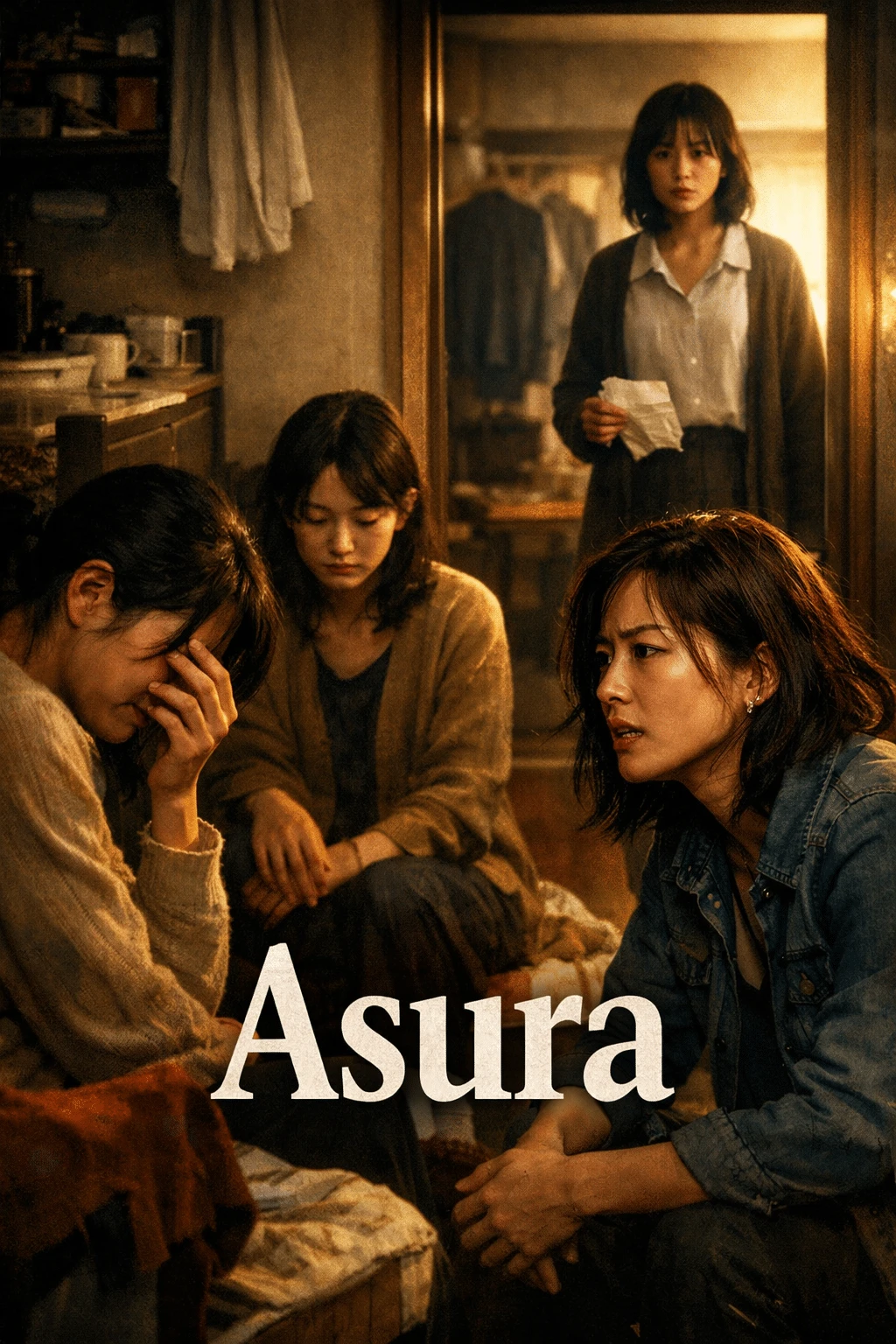
Asura: A Deep Dive into Modern Japanese Family Life
Advertisements
“Asura,” directed by the renowned Hirokazu Kore-eda, stands as yet another work of art from the celebrated Japanese director, capturing the intricate and poignant nuances of family interactions. This drama narrates the journey of four sisters whose lives are irrevocably altered upon uncovering their father’s infidelity, acting as a springboard for a thoughtful examination of the foundations that uphold familial connections.
Storytelling and Composition
Kore-eda skillfully crafts the storyline with his signature precision, layering each character with intricate complexities that unfold gradually. The revelation of paternal betrayal is not merely a plot twist but serves as a gateway to universal inquiries regarding trust, reconciliation, and varying interpretations of familial love. Each sister’s unique response to the shocking news reflects their individual personalities and life stages.
Direction and Cinematic Aesthetics
The filmmaker continues his meditative and realistic approach, employing extended shots and meticulous compositions that emphasize the significance of subtle gestures and poignant pauses. Kore-eda’s camera acts almost like an invisible family member, capturing intimate exchanges without intruding. The gentle cinematography and muted color scheme enhance an atmosphere of subdued sorrow, a hallmark of the director’s oeuvre.
Main Themes
The narrative goes beyond the initial theme of betrayal to delve into larger concepts concerning human nature and familial ties. Loyalty is scrutinized from various angles: between spouses, parents and children, as well as among siblings. Forgiveness emerges as a nuanced and personal journey rather than a straightforward solution. Kore-eda also subtly highlights societal expectations surrounding family and the role of women in modern Japan.
Acting and Character Growth
The ensemble cast delivers authentic and relatable performances, steering clear of melodrama in favor of genuine emotional resonance. Each sister is depicted with her unique contradictions and aspirations, evolving into well-rounded characters that the audience can easily connect with. The father figure, though physically absent, remains a lingering influence through the daughters’ emotional responses and memories.
Key Takeaways
The true strength of “Asura” lies in its ability to transform an ostensibly ordinary scenario into a profound contemplation of the human experience. Kore-eda refrains from simplistic moral judgments, instead opting to depict the intricacies of human feelings with unflinching honesty. The gradual escalation of emotional tension is masterfully executed, leading to moments of catharsis that feel authentic and earned.
Concluding Thoughts
“Asura” reinforces Hirokazu Kore-eda’s prowess in crafting family dramas that resonate on a universal level, despite their specific cultural context. The film serves both as an intimate examination of a family in turmoil and as a broader reflection on the connections that unite and shape our identities. It is a must-see for fans of modern Japanese cinema and for anyone drawn to narratives that emphasize psychological intricacy over typical dramatic techniques.
The sensitive direction, genuine performances, and thoughtful exploration of complex themes make “Asura” another outstanding entry in Kore-eda’s esteemed catalog, solidifying his reputation as a profound observer of the human spirit in contemporary film.