
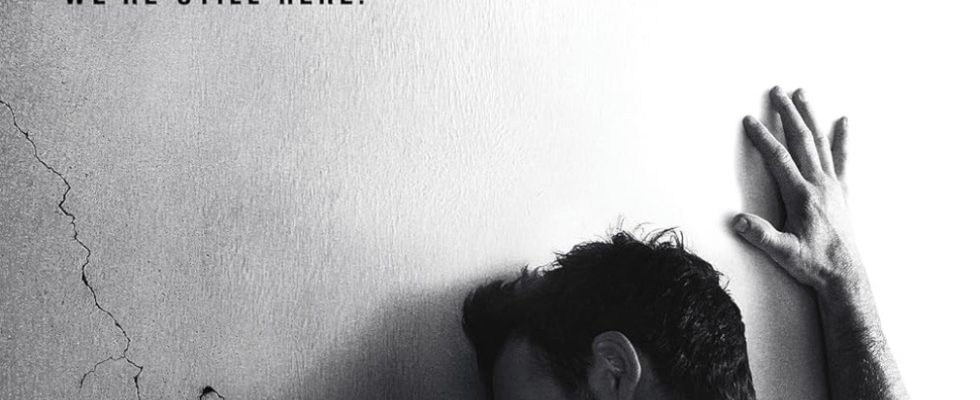
In a world grappling with incomprehensible loss, The Leftovers stands out as a poignant narrative that delves into the human condition. This critically acclaimed series aired from June 29, 2014, to June 4, 2017, encompassing three impactful seasons and 28 episodes, each approximately 55 minutes long. Created by Damon Lindelof and Tom Perrotta, and based on Perrotta’s 2011 novel, the series opens three years post the “Sudden Departure”—an event that caused 2% of the global population to vanish without explanation. The focus remains on the lives of police chief Kevin Garvey and his family, along with grieving widow Nora Durst and her brother Reverend Matt Jamison, as they seek to reconstruct their existence in a transformed world.
Advertisements
This series uniquely intertwines supernatural elements with the intricacies of human drama, probing themes of faith, grief, familial discord, and the quest for meaning amidst chaos. Rather than presenting straightforward answers typical of other mystery narratives, The Leftovers invites viewers to explore the personal and collective responses to unanswerable questions. It serves as both a character study and a philosophical inquiry, highlighting how individuals and their communities cope with profound loss.
While the series grapples with heavy themes, it also captures moments of unexpected beauty and genuine connection, urging audiences to embrace uncertainty and derive meaning from their experiences rather than seeking tidy conclusions.
A World Reeling from the Sudden Departure
In the aftermath of the Sudden Departure, the remaining 98% of humanity in Mapleton, New York, faces the challenge of making sense of their altered reality. The series does not attempt to unravel the mystery behind the disappearances but instead examines the ramifications of this inexplicable event on families, communities, and individual psyches. It illustrates the various coping mechanisms that emerge, from the formation of new religious sects like the Guilty Remnant to the embrace of nihilism, reflecting how trauma can both unify and fracture communities.
Kevin Garvey: The Struggles of a Fragile Leader
Portrayed by Justin Theroux, Kevin Garvey is a compelling character embodying the everyman grappling with overwhelming challenges. As Mapleton’s police chief, he strives for stability in a world that is anything but stable, dealing with personal crises that include a crumbling marriage and rebellious children. Throughout the series, Kevin experiences surreal and supernatural occurrences that blur the lines between reality and imagination, propelling both him and the audience to question the nature of existence.
Theroux’s performance captures the essence of a man who yearns to be the pillar of support for his community, even as he privately navigates his own disintegration. Kevin’s journey resonates with the show’s core theme: the responses of ordinary individuals when confronted with the unthinkable.
Nora Durst: The Burden of Survival
Carrie Coon shines as Nora Durst, a woman grappling with unimaginable loss after the Sudden Departure claims her entire family. Employed by the Department of Sudden Departures, Nora investigates fraud while wrestling with survivor’s guilt and anger. Her character arc illustrates how grief can act as both a prison and a source of resilience.
Coon imbues Nora with rich complexity, ensuring she is not merely defined by her tragedy. Her evolving relationship with Kevin serves as an emotional centerpiece for the series, demonstrating how connections forged in suffering can lead to healing.
The Guilty Remnant: A Symbol of Silent Despair
The unsettling presence of the Guilty Remnant—a cult that shuns speech and embraces a nihilistic agenda—pervades The Leftovers. Led by characters like the chilling Patti Levin, portrayed by Ann Dowd, this organization embodies the idea that traditional comforts are rendered meaningless in the face of extraordinary grief. They infiltrate communities and engage in psychological torment disguised as spiritual awakening.
Through the lens of the Guilty Remnant, the series examines the thin line between faith and madness, illustrating how extreme psychological trauma can lead individuals toward radical beliefs when conventional sources of solace fail.
Critical Reception and Cultural Resonance
The Leftovers garnered significant critical acclaim, noted for its intricate writing, outstanding performances, and engagement with profound philosophical inquiries. Resurrected on HBO Max, the show attracted a new audience eager for its unique blend of supernatural intrigue and deep emotional resonance. The series’s exploration of themes such as faith, loss, and community made it particularly relevant during periods of global uncertainty.
An Impactful Exploration of Existential Questions
For those seeking a thought-provoking narrative that grapples with significant issues surrounding faith, loss, and interpersonal connections, The Leftovers is an essential viewing experience on HBO Max. It transcends mere entertainment, offering a profound reflection on how individuals derive meaning and hope in the face of the unfathomable.
A Landmark in Television Storytelling
The Leftovers epitomizes the heights television can reach when creators are unrestrained in their exploration of intricate themes. It is a series that respects its viewers’ intelligence, inviting them to confront challenging questions and engage with uncertainty, solidifying its status as essential viewing for those who cherish remarkable storytelling that endures beyond the final credits.
Series Overview
Number of Episodes: 28 (completed series)
Platform: HBO Max
Years: 2014-2017
IMDb Rating: 8.3/10
Genre: Supernatural Drama, Mystery, Thriller
Status: Completed series
Protagonists: Justin Theroux (Kevin Garvey), Carrie Coon (Nora Durst), Christopher Eccleston (Matt Jamison)
Antagonist: The inexplicable nature of loss and the various ways people respond to trauma (no single antagonist)